1 year ago Category :
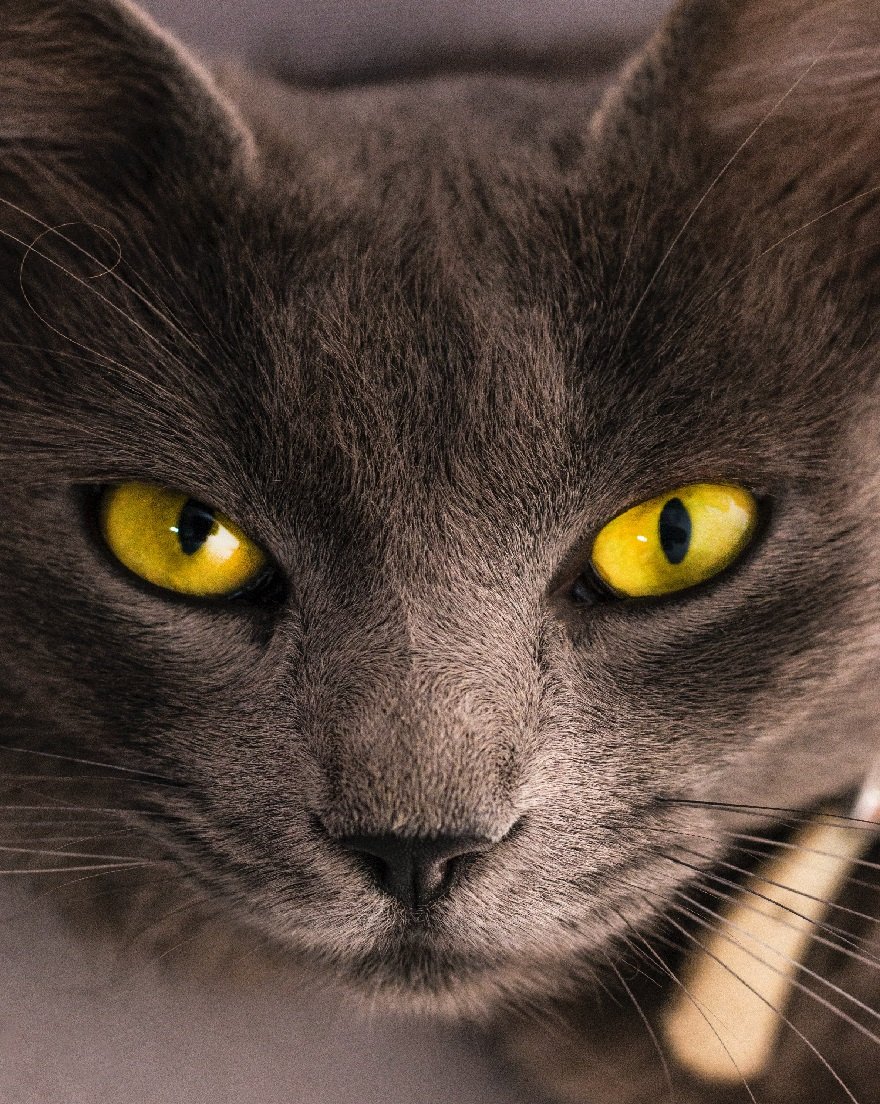
Algeria, a country located in North Africa, has been experiencing an increasing demand for pet products in recent years, including dog food. As the pet industry continues to grow globally, Algeria has seen a rise in the popularity of pet ownership, leading to a surge in the need for high-quality pet food options.
Read More →1 year ago Category :
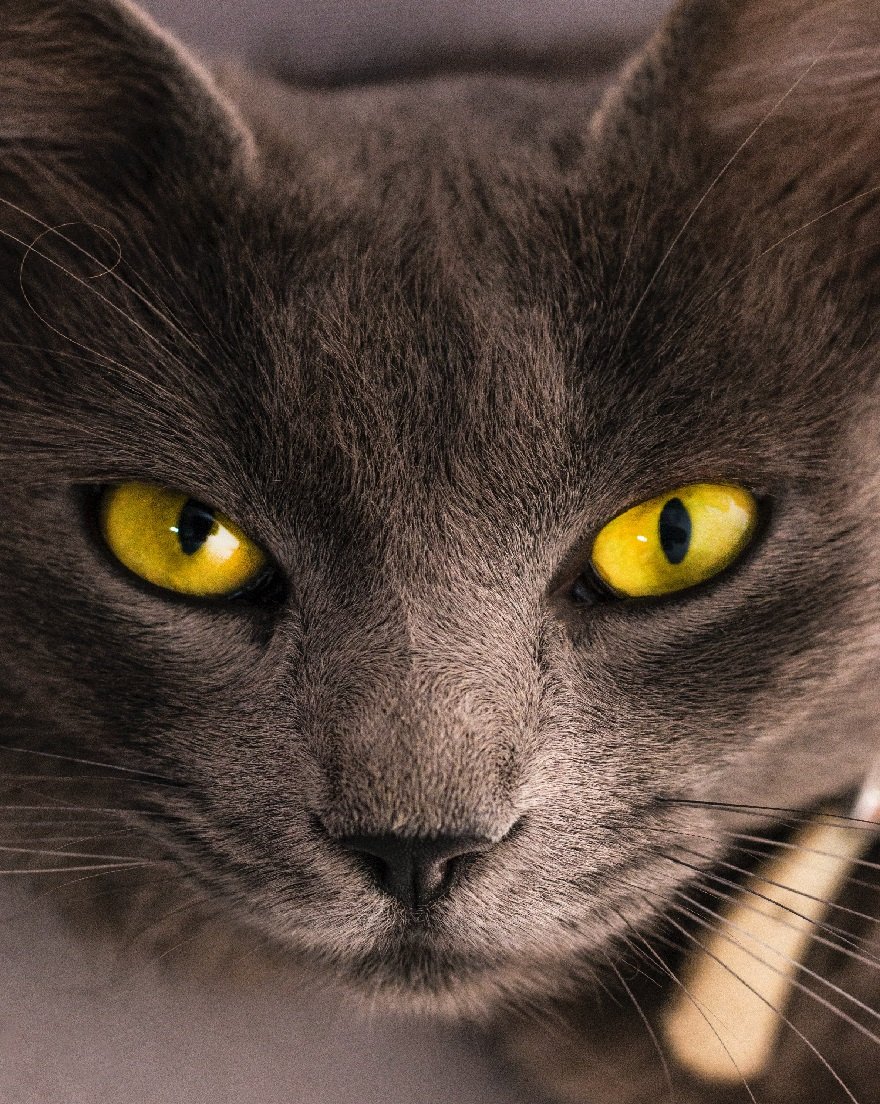
Algeria and Cameroon might be two distinct countries with unique cultures and landscapes, but there are some common themes that connect them – one of which is the care and well-being of their communities, including their furry friends and the future generations.
Read More →1 year ago Category :
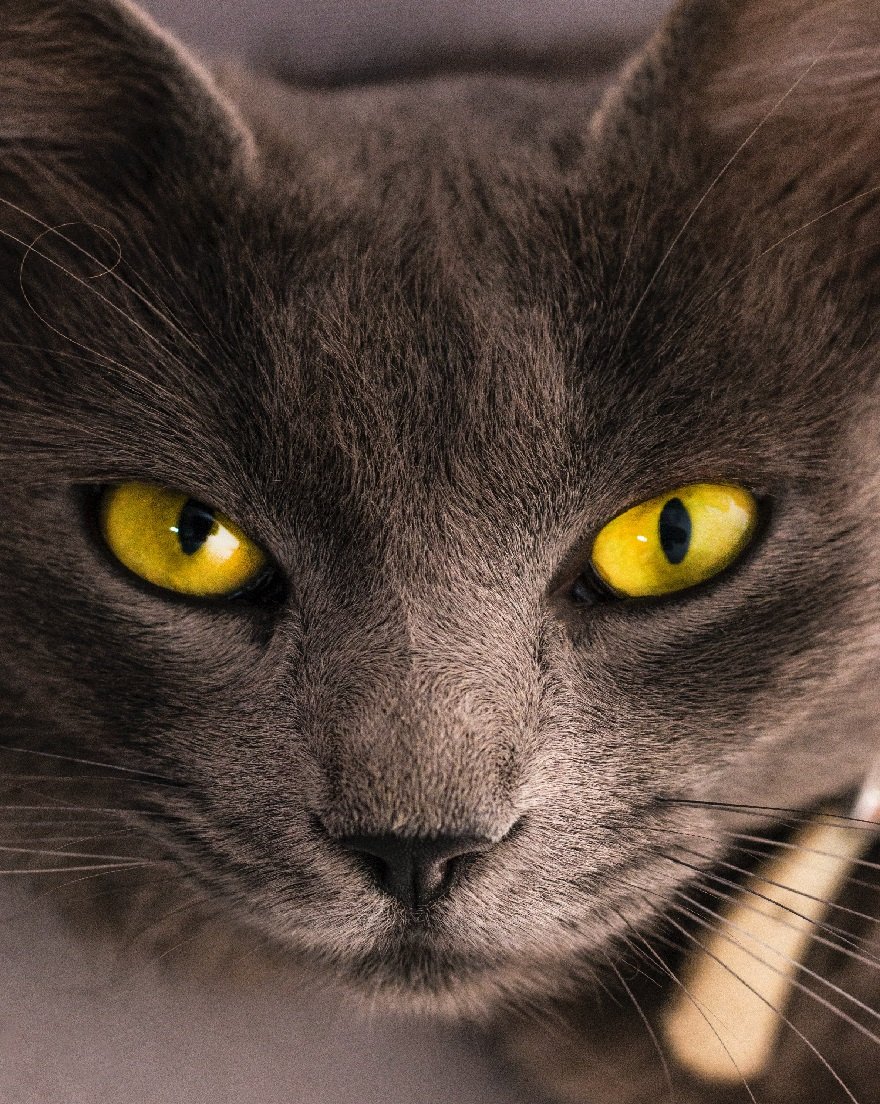
Algeria is a country known for its rich culture and diverse cuisine. However, one industry that is gaining popularity in Algeria is the dog food business. As more people in Algeria are welcoming pets into their homes, the demand for high-quality dog food is on the rise. If you are considering starting a dog food business in Algeria, careful planning is essential to ensure your success in this growing market.
Read More →1 year ago Category :
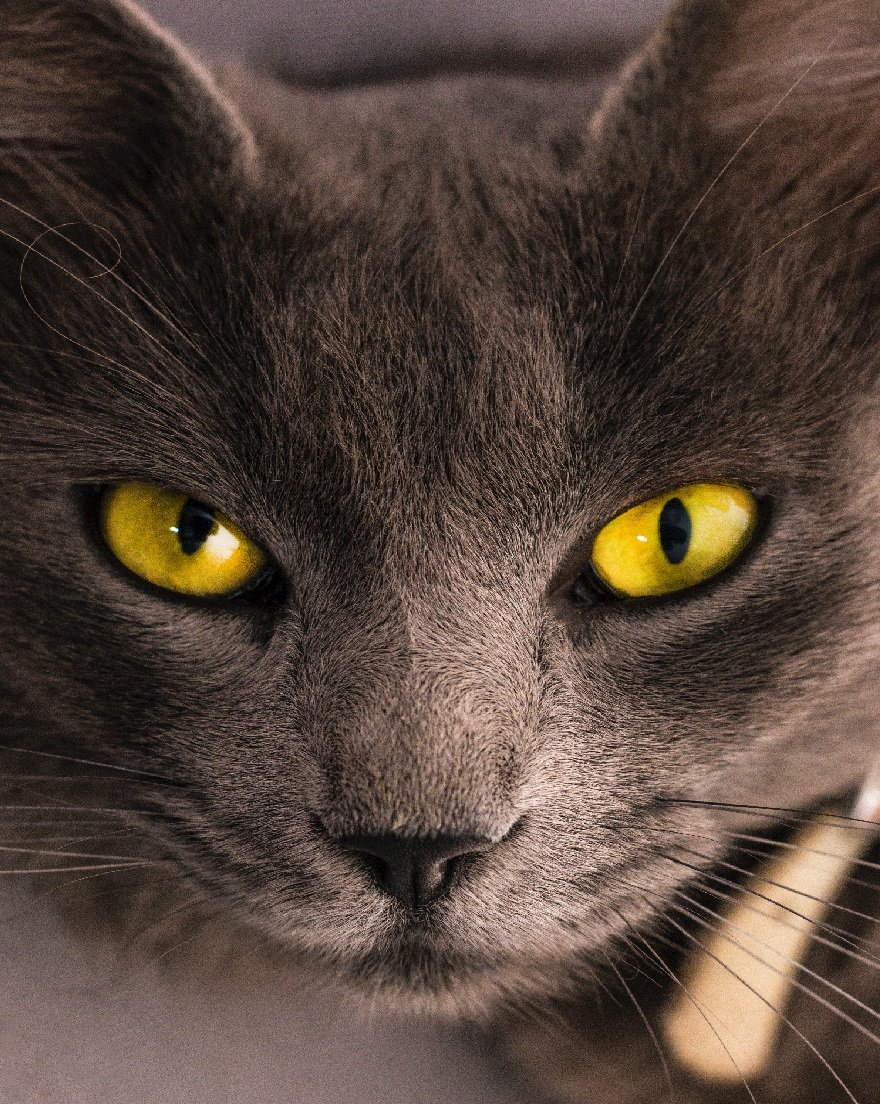
Running a dog food business in Algeria can be a rewarding venture, but sometimes unforeseen circumstances may lead to the need to close down the business. In this blog post, we will discuss the reasons why a dog food business in Algeria may need to close and explore some strategies for a successful closure.
Read More →1 year ago Category :
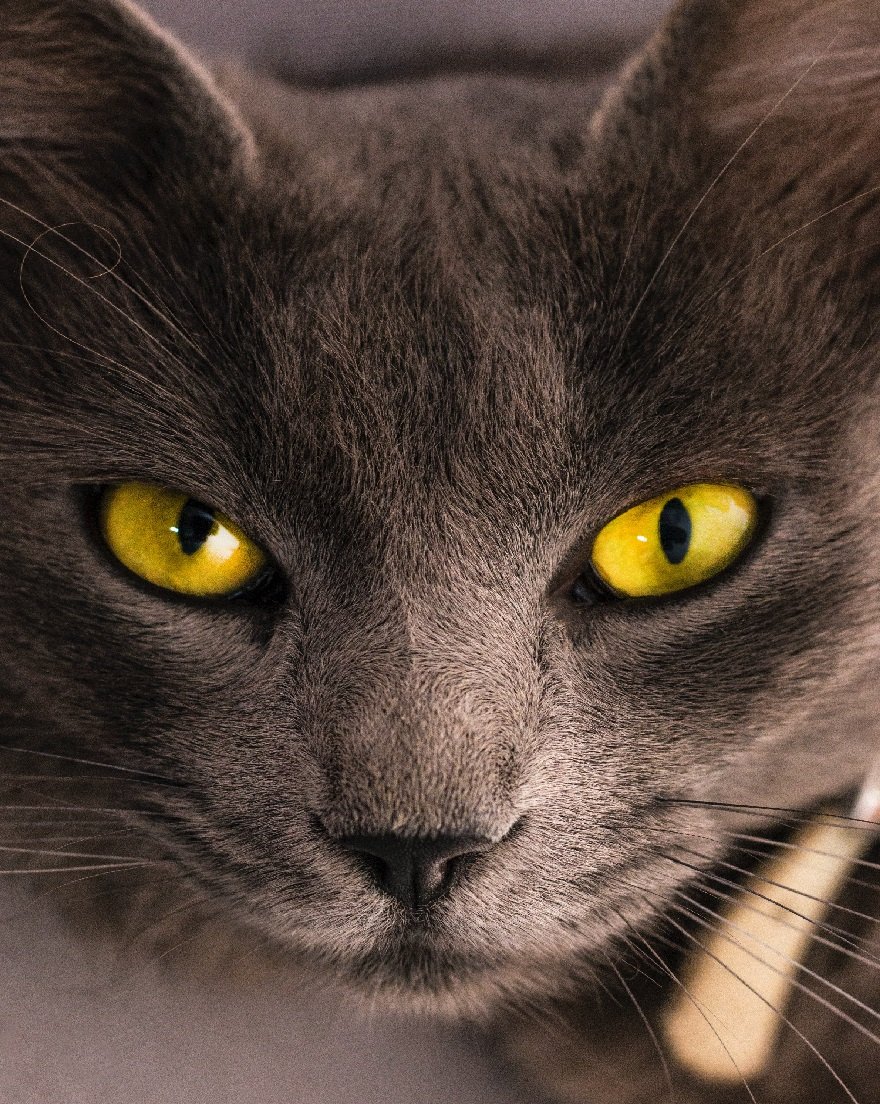
Algeria and Brussels, Belgium might seem like an unlikely pairing, but when it comes to dog food, these two places have interesting stories to tell. Let's delve into the world of dog food in these unique locations.
Read More →1 year ago Category :
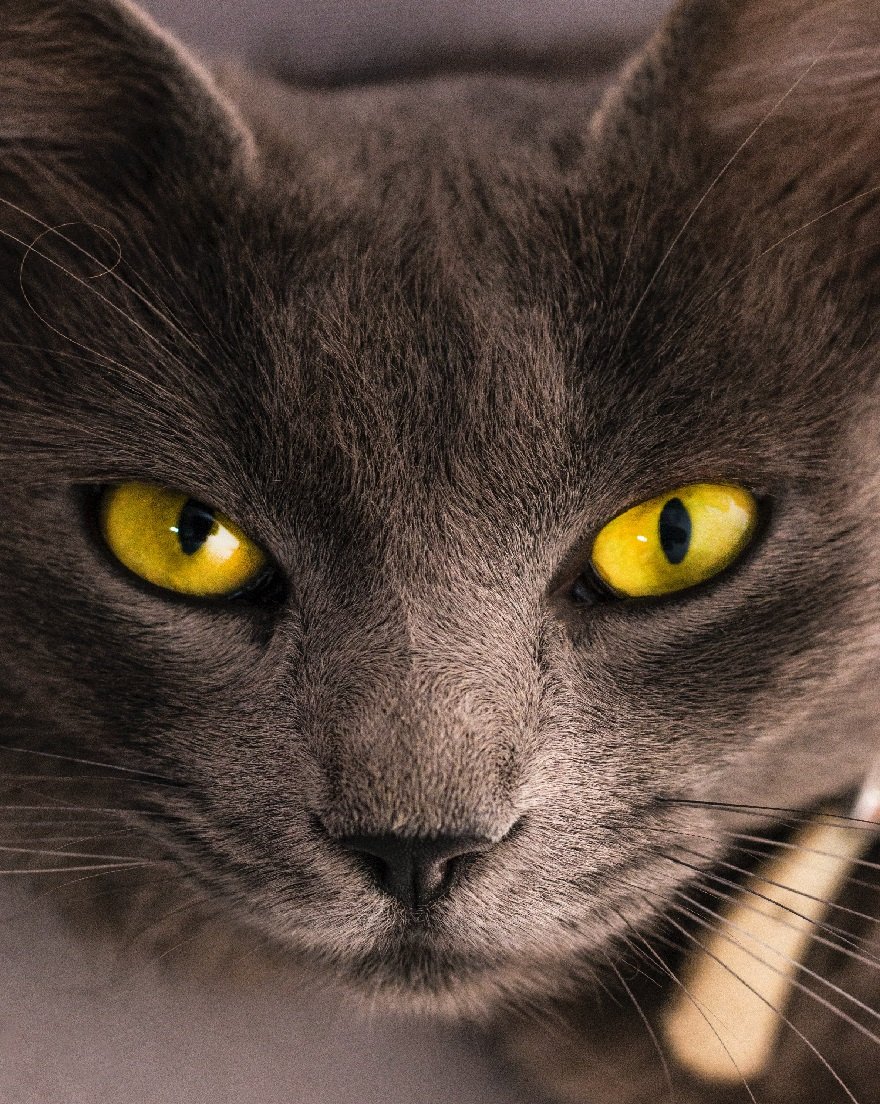
Are you looking for the best Indonesian companies that manufacture dog food? Look no further! In this blog post, we will introduce you to some of the top Indonesian companies that produce high-quality dog food products that will keep your furry friend happy and healthy.
Read More →1 year ago Category :
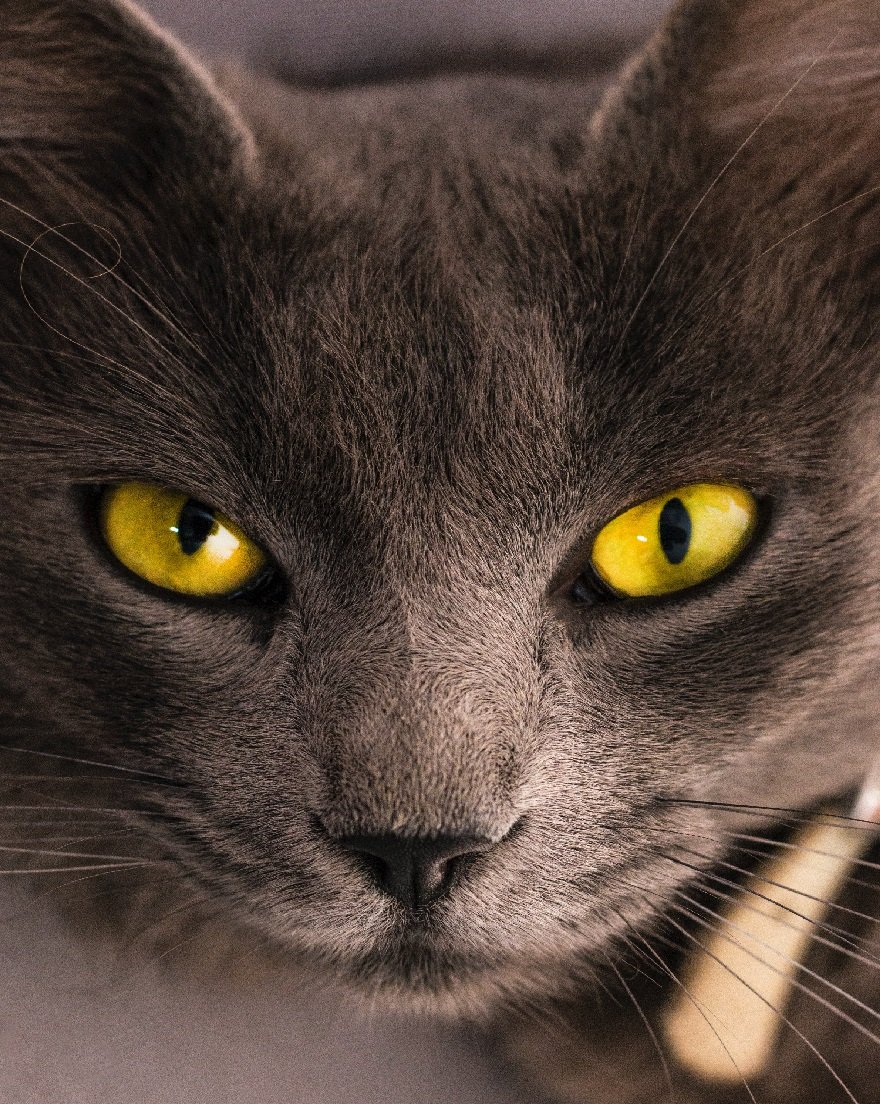
Algeria and Bangladesh are two countries with unique cultures, landscapes, and cuisines. While the focus may not often be on the topic of dog food in these countries, it is still an important aspect of pet care and welfare. Let's explore how dog food is viewed and consumed in Algeria and Bangladesh.
Read More →1 year ago Category :
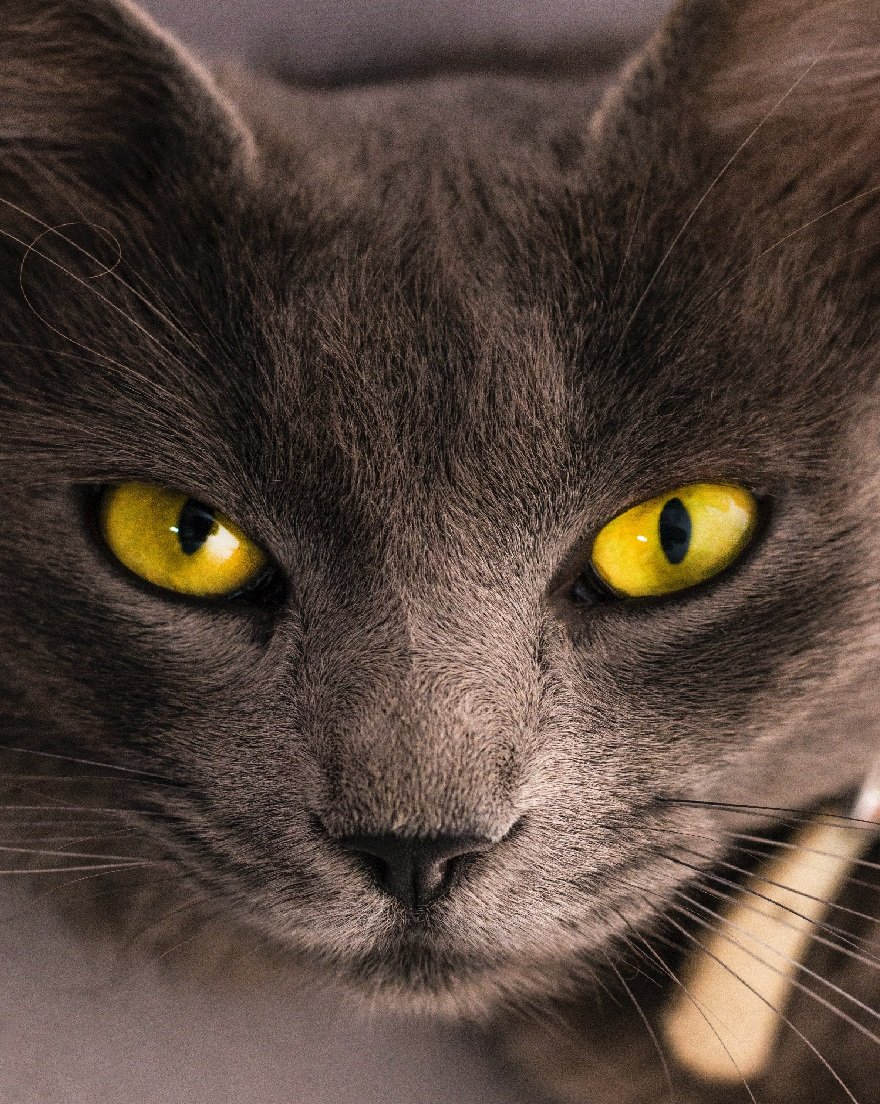
Understanding Algeria's Dog Food Attestation and Certification Process
Read More →1 year ago Category :
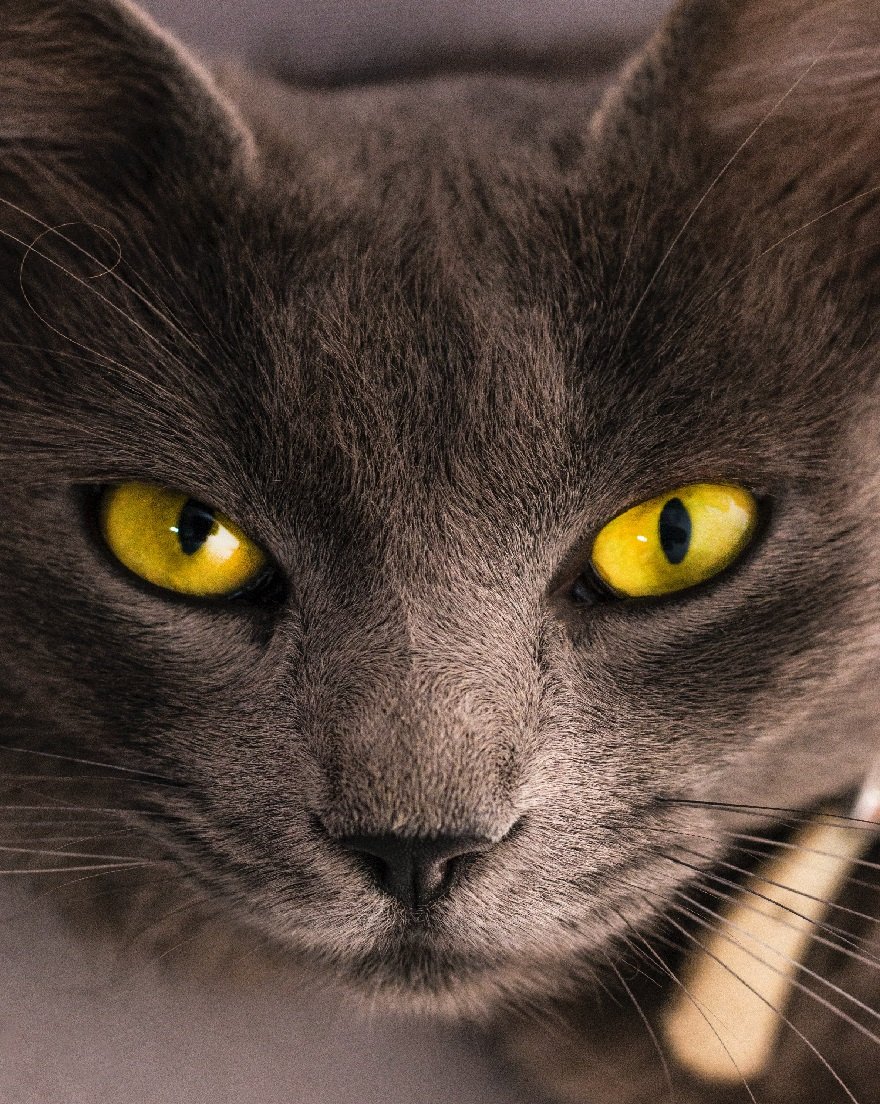
**Unlocking the History of Dog Food in Algeria: A Culinary Journey with Assyrian Influence**
Read More →1 year ago Category :
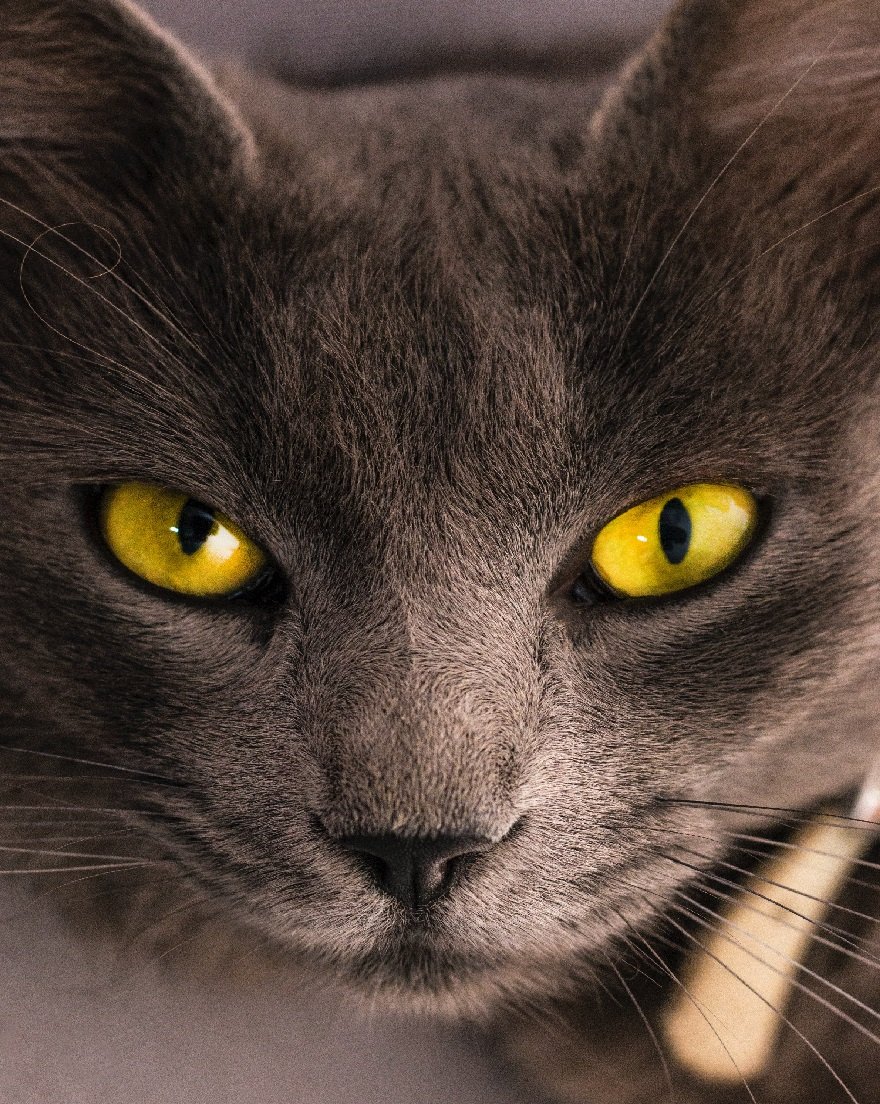
The Role of Artificial Intelligence in Revolutionizing Dog Food and Games in Algeria
Read More →SEARCH
Recent News
- Top YouTube Channels for US Startups in the Dog Food Industry
- Creating a YouTube channel dedicated to showcasing US startups in the pet industry, particularly cat food brands, can be a fantastic way to support small businesses and provide valuable content for cat owners looking for high-quality food options for their furry friends.
- Connecting with the Urdu Community in Kuwait through a YouTube Channel, Featuring Dog Food Tips
- Catering to the Urdu Community in Kuwait: YouTube Channels for Cat Food Enthusiasts
- How Starting a YouTube Channel Can Help Combat Unemployment and Fund Your Dog's Food
- "How a YouTube Channel Could Help Combat Unemployment and Feed Stray Cats"
- Top YouTube Channels for UK Startups in the Dog Food Industry
- Top YouTube Channels for UK Startups in the Cat Food Industry